

As a supplier of Cute Silicone Lamps, I've received numerous inquiries from customers regarding the long - term performance of these adorable lighting products. One of the most common questions is: "Are cute silicone lamps prone to yellowing over time?" In this blog post, I'll delve into the factors that can lead to yellowing and provide insights on how to prevent it.
Understanding Silicone and Its Properties
Silicone is a synthetic polymer known for its flexibility, durability, and heat resistance. It has a wide range of applications, from kitchenware to electronics, and is a popular material for creating cute and functional lamps. Silicone is generally considered to be a stable material, but like any other substance, it can undergo changes when exposed to certain environmental factors.

Factors That Contribute to Yellowing
- Exposure to UV Rays: Ultraviolet (UV) rays from sunlight or artificial light sources can cause the silicone to break down over time. When silicone is exposed to UV rays, the chemical bonds in the polymer can be disrupted, leading to a change in color. This is similar to how human skin can tan or age when exposed to the sun. In the case of silicone lamps, prolonged exposure to direct sunlight or strong UV - emitting artificial lights can accelerate the yellowing process.
- Oxidation: Oxidation is a chemical reaction that occurs when silicone comes into contact with oxygen in the air. Over time, the oxygen can react with the silicone molecules, causing them to change in structure and color. This process is more likely to happen in environments with high humidity or where the silicone is exposed to air for extended periods.
- Heat and Humidity: High temperatures and humidity can also contribute to the yellowing of silicone lamps. When silicone is exposed to heat, it can expand and contract, which can weaken its structure. Humidity can introduce moisture into the silicone, which can react with other substances and cause discoloration. For example, if a silicone lamp is placed in a bathroom or a kitchen where there is a lot of steam, it may be more prone to yellowing.
- Contamination: Exposure to certain chemicals or contaminants can also cause silicone to yellow. For instance, if the lamp comes into contact with cleaning agents, oils, or other substances that are not compatible with silicone, it can lead to discoloration. Even dust and dirt can accumulate on the surface of the silicone over time and cause it to appear yellowed.
Case Studies and Examples
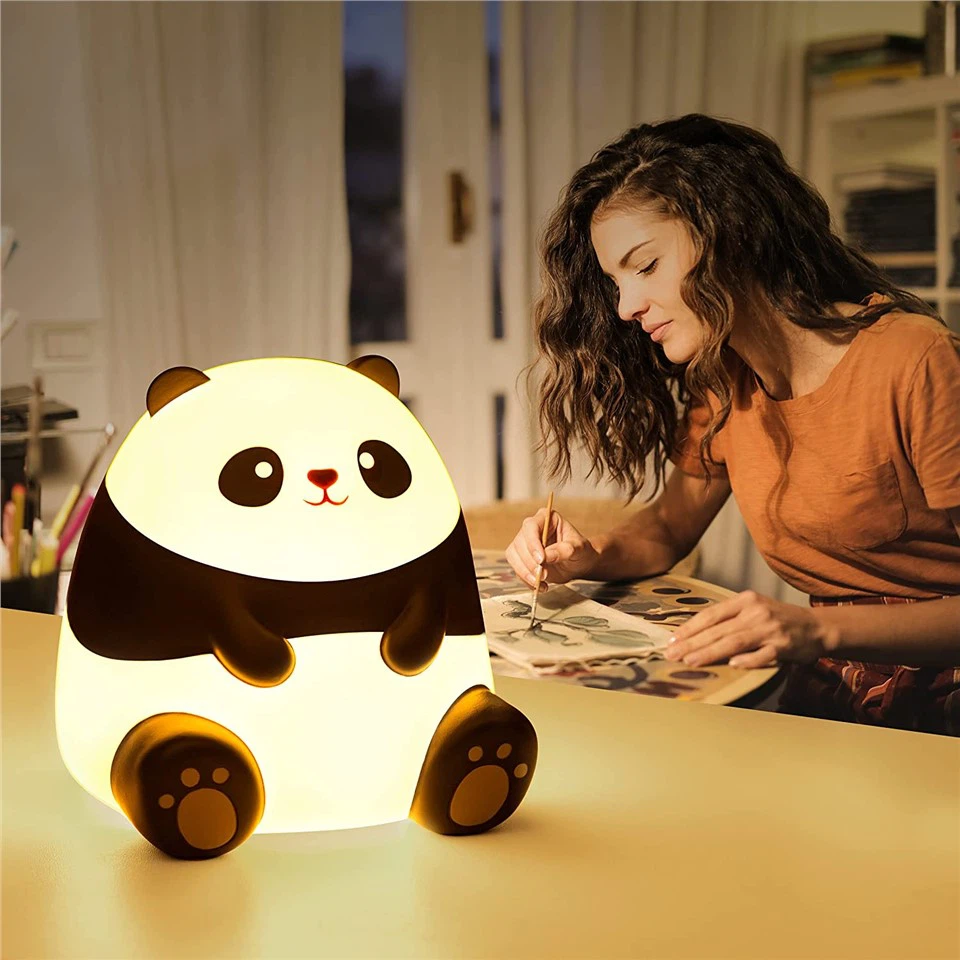
Let's take a look at some real - life examples to better understand the yellowing phenomenon. We've had customers who placed our Panda Touch Silicone Lamp near a window where it received direct sunlight for several hours a day. After a few months, they noticed that the lamp started to show signs of yellowing. On the other hand, customers who kept their Panda Silicone Night Light in a dark, cool, and dry place reported that the lamp maintained its original color for a much longer time.
Preventive Measures
- Proper Placement: To minimize the risk of yellowing, it's important to place the cute silicone lamps in a suitable environment. Avoid placing them in direct sunlight or near strong UV - emitting light sources. Instead, choose a location that is away from windows and other areas where they may be exposed to excessive heat, humidity, or UV rays.
- Regular Cleaning: Regular cleaning can help prevent the accumulation of dirt and contaminants on the surface of the silicone. Use a mild soap and water solution to clean the lamp, and avoid using harsh chemicals or abrasive materials that can damage the silicone. Gently wipe the lamp with a soft cloth, and dry it thoroughly after cleaning.
- Storage: If you're not using the silicone lamp for an extended period, store it in a cool, dry place. You can also consider using a storage container to protect it from dust and other contaminants.
Our Quality Assurance
At our company, we take quality seriously. We use high - grade silicone materials in the production of our Cute Silicone Lamp. Our manufacturing process includes strict quality control measures to ensure that the lamps are resistant to yellowing and other forms of damage. We also conduct extensive testing on our products to ensure that they meet the highest standards of quality and durability.
Conclusion
While cute silicone lamps can potentially yellow over time, the risk can be significantly reduced by taking proper care of them. By understanding the factors that contribute to yellowing and implementing preventive measures, you can enjoy the beauty and functionality of your silicone lamps for a long time.
If you're interested in purchasing our cute silicone lamps or have any further questions about their performance and maintenance, we'd love to hear from you. Feel free to reach out to us to start a conversation about your procurement needs. We're here to provide you with the best products and support.
References
- "Silicone Polymers: Chemistry and Technology" by James M. Ziemer.
- Research papers on the degradation of silicone materials under different environmental conditions from academic databases.


