

Are silicone night lights affected by humidity?
As a supplier of silicone night lights, I've received numerous inquiries from customers regarding the impact of humidity on these charming lighting products. Silicone night lights, with their soft glow and appealing designs, have become a popular choice for bedrooms, nurseries, and other cozy spaces. However, the concern about humidity is a valid one, especially for those living in regions with high moisture levels.
To understand how humidity affects silicone night lights, we first need to delve into the properties of silicone itself. Silicone is a synthetic polymer that is known for its excellent resistance to heat, cold, and chemicals. It is also water - resistant to a certain extent. This water - resistant property is due to the non - polar nature of silicone molecules, which repel water molecules.
In normal indoor humidity conditions (around 30% - 60%), silicone night lights generally perform well. The water - resistant nature of silicone protects the internal electrical components of the night light. For example, in a standard home environment where the humidity is maintained by a proper HVAC system, the night light can operate without any interference from the moisture in the air. The silicone exterior acts as a barrier, preventing water vapor from seeping into the lamp and causing short - circuits or other electrical problems.
One of our popular products, the Silicone Led Night Lamp, is designed with high - quality silicone. It has a sealed structure that further enhances its resistance to humidity. The LED lights inside are protected from the external environment, ensuring a long - lasting and stable performance even in moderately humid conditions.
However, when the humidity levels rise significantly (above 70% or 80%), some issues may arise. High humidity can lead to the formation of condensation on the surface of the silicone night light. If the condensation is not dried off promptly, it can gradually seep into small gaps or pores in the silicone material. This is more likely to happen if the night light has been in a high - humidity environment for an extended period.
Once the moisture penetrates the silicone, it can reach the electrical components inside. This may cause short - circuits, which can damage the LED lights, the battery (if it is a battery - powered night light), or other important parts. In some cases, the high humidity can also accelerate the corrosion of metal components within the night light, reducing its lifespan.
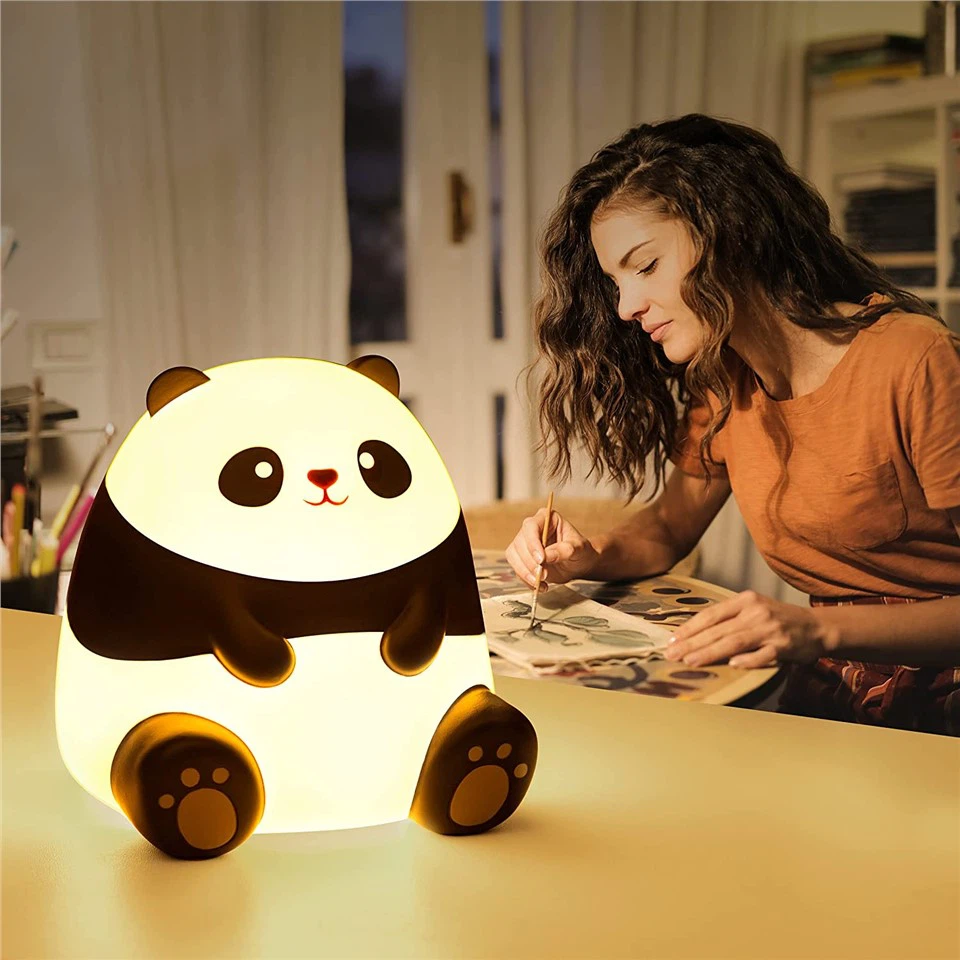
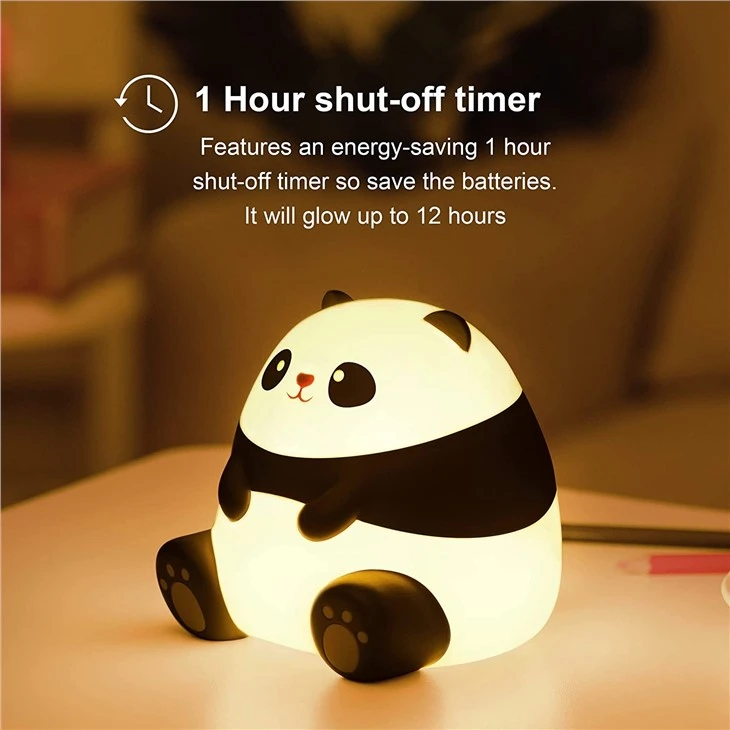
Take the Panda Touch Silicone Lamp as an example. Although it has a well - crafted silicone exterior, in a very humid environment, excessive moisture can compromise its performance. The touch - sensitive feature may malfunction due to the presence of water on the surface or inside the device.
In addition to the electrical problems, high humidity can also affect the appearance of the silicone night light. The moisture can cause the silicone to absorb some water, which may lead to a change in its texture or color. Over time, the silicone may become sticky or develop a dull, discolored appearance. This is not only a cosmetic issue but can also indicate that the material is being affected at a molecular level.
The Little Cat Silicone Light, with its cute and delicate design, may also face similar problems in a high - humidity setting. The intricate details of the cat shape could be more prone to collecting moisture and showing signs of damage.
To mitigate the effects of humidity on silicone night lights, there are several steps that can be taken. First, it is advisable to use a dehumidifier in the room where the night light is placed. A dehumidifier can help keep the humidity levels within a safe range, preventing the formation of condensation. Second, make sure the night light is kept in a well - ventilated area. Good air circulation can help dry off any moisture that may accumulate on the surface of the silicone.
Regular cleaning and maintenance are also essential. Wipe the night light with a dry cloth to remove any dust or moisture. If the night light has been exposed to high humidity, it is a good idea to let it dry thoroughly in a dry environment before using it again.
In conclusion, while silicone night lights have a certain degree of resistance to humidity, high levels of moisture can still have negative effects on their performance and appearance. As a supplier, we are committed to providing high - quality products, but it is also important for our customers to take proper care of these night lights, especially in humid environments.
If you are interested in purchasing our silicone night lights, whether it's the Silicone Led Night Lamp, the Panda Touch Silicone Lamp, or the Little Cat Silicone Light, we welcome you to reach out for procurement discussions. We can offer guidance on how to best use and maintain these products to ensure their longevity and optimal performance.
References
- "Silicone Polymers: Properties and Applications" by industrial polymer research group
- "Humidity Impact on Electrical Devices" in the Journal of Electrical Engineering and Technology


