

As a supplier of Silicone Animal Lamps, I've often encountered an interesting question from potential customers: Do silicone animal lamps attract insects? This query might seem trivial at first glance, but it's an aspect that can significantly influence a consumer's purchasing decision. In this blog post, I'll delve into the scientific factors at play and shed light on whether these adorable lamps are a magnet for bugs.
Understanding Insect Attraction to Light
To address this question, we first need to understand why insects are attracted to light in general. Many insects, particularly nocturnal ones, use natural light sources like the moon and stars for navigation. They maintain a constant angle relative to these distant light sources, which allows them to fly in a straight line. When artificial lights come into the picture, insects can become disoriented. They try to maintain the same angle with the artificial light, which is much closer than celestial bodies. This causes them to spiral towards the light source, resulting in the common sight of insects swarming around streetlights and porch lights.
The type of light plays a crucial role in insect attraction. Insects are most sensitive to ultraviolet (UV) light and blue light. These wavelengths are more appealing to them because they are similar to the light reflected by flowers, which insects use to find nectar. On the other hand, insects are less attracted to red and yellow light, as these wavelengths are not as prominent in the natural cues they follow.
The Characteristics of Silicone Animal Lamps
Silicone animal lamps are typically made of high - quality silicone material, which is known for its flexibility, durability, and safety. These lamps often use LED bulbs as their light source. LED technology has advanced significantly in recent years, and it offers several advantages over traditional incandescent or fluorescent bulbs.
One of the key features of LED bulbs used in silicone animal lamps is their ability to emit light in a specific color spectrum. Unlike traditional bulbs that emit a broad spectrum of light, including UV and blue light, many LED bulbs used in these lamps can be tuned to emit warmer colors, such as red, orange, and yellow. These warmer colors are less attractive to insects.
Moreover, silicone animal lamps are usually designed for indoor use. They are often used as night lights in bedrooms, nurseries, or children's playrooms. The relatively low light intensity of these lamps also makes them less likely to attract insects compared to bright outdoor lights.
Scientific Evidence and Studies
Although there isn't an abundance of specific studies on silicone animal lamps and insect attraction, research on LED lighting in general provides some insights. A study published in the Journal of Economic Entomology found that LED lights with a color temperature below 3000K (which produce a warm, yellow - orange light) attracted significantly fewer insects than cooler - colored LED lights or traditional incandescent bulbs.
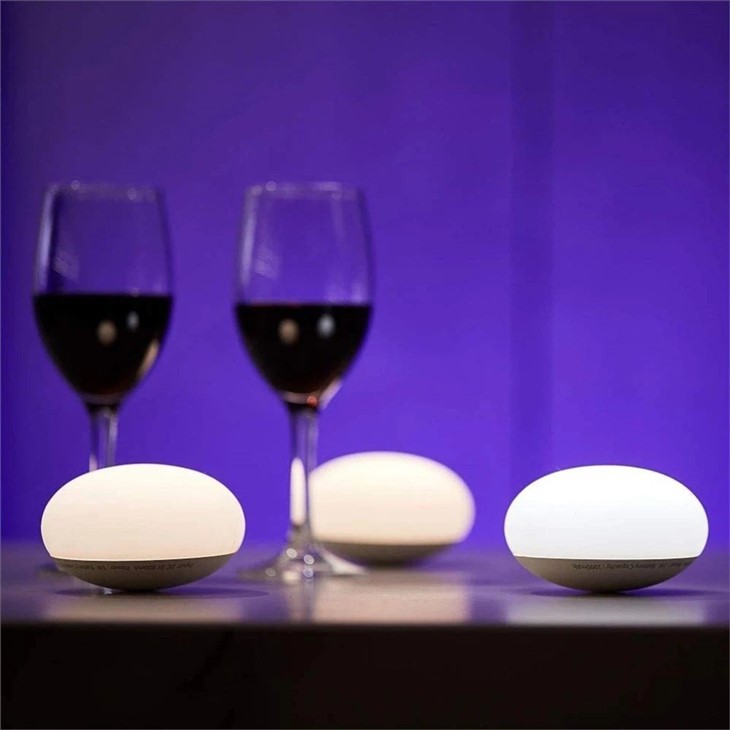

Since many silicone animal lamps use warm - colored LED bulbs, it's reasonable to assume that they would follow a similar pattern. The combination of the warm color spectrum and the low light intensity makes these lamps less appealing to insects.
Practical Experience
In my experience as a silicone animal lamp supplier, I've received very few reports from customers about insects being attracted to these lamps. Most customers use them in indoor settings, where the presence of insects is already limited. Even in cases where the lamps are used in areas with a slightly higher insect population, such as near open windows, the number of insects attracted to the lamps is minimal compared to other light sources.
The design of silicone animal lamps also plays a role. The silicone casing around the bulb can act as a barrier, further reducing the likelihood of insects being drawn to the light. The soft, diffused light that passes through the silicone is less intense and less likely to catch the attention of insects.
The Benefits of Silicone Animal Lamps Beyond Insect Resistance
Even if silicone animal lamps were to attract a few insects, their many benefits far outweigh this potential drawback. These lamps are incredibly cute and come in a wide variety of animal shapes, such as rabbits, bears, and dinosaurs. They can add a touch of whimsy and charm to any room, making them a popular choice for children's rooms.
In addition to their aesthetic appeal, silicone animal lamps are safe to use. The silicone material is non - toxic and heat - resistant, reducing the risk of burns or fires. They are also energy - efficient, as LED bulbs consume less power than traditional bulbs, which can help save on electricity bills.
Conclusion
In conclusion, based on scientific knowledge, practical experience, and the characteristics of silicone animal lamps, it's unlikely that these lamps will attract a significant number of insects. The use of warm - colored LED bulbs, the low light intensity, and the silicone casing all contribute to their insect - resistant properties.
If you're looking for a cute and practical lighting solution for your home, especially for children's rooms, I highly recommend checking out our Cute Silicone Lamp. We also have a great selection of Cute Silicone Lamp directly from the factory. And don't forget our Silicone Led Night Lamp, which combines the benefits of silicone and LED technology.
If you're interested in purchasing our silicone animal lamps in bulk for your business or personal use, please feel free to contact us for a detailed quotation and to discuss your specific requirements. We're always happy to help and look forward to working with you.
References
-
Journal of Economic Entomology. "Insect Attraction to Different Types of LED Lighting."
-
General research on insect behavior and light attraction from entomology textbooks and online resources.


