

Silicone LED lights have gained significant popularity in recent years due to their soft glow, flexibility, and durability. As a leading Silicone Led Light supplier, I often receive inquiries from customers about whether these lights produce UV rays. In this blog post, I will delve into the science behind silicone LED lights and their UV emission, providing you with accurate and reliable information.
Understanding LED Technology
Before we discuss UV rays, it's essential to understand how LED lights work. LED stands for Light Emitting Diode, which is a semiconductor device that emits light when an electric current passes through it. Unlike traditional incandescent bulbs, which produce light by heating a filament, LEDs generate light through a process called electroluminescence.
LEDs are highly efficient because they convert most of the electrical energy into light rather than heat. This efficiency not only reduces energy consumption but also extends the lifespan of the light. Additionally, LEDs can be designed to emit light in specific wavelengths, making them suitable for a wide range of applications.
UV Rays and Their Effects
UV, or ultraviolet, rays are a type of electromagnetic radiation with wavelengths shorter than visible light. They are classified into three categories based on their wavelength: UVA (320 - 400 nm), UVB (280 - 320 nm), and UVC (100 - 280 nm). UVA rays are the least energetic but can penetrate the skin deeply, causing long-term damage such as premature aging and skin cancer. UVB rays are more energetic and are responsible for sunburns and skin cancer. UVC rays are the most energetic but are mostly absorbed by the Earth's atmosphere and do not reach the surface.
Exposure to UV rays can have both positive and negative effects. On the one hand, UV rays are essential for the production of vitamin D in the body. On the other hand, excessive exposure to UV rays can lead to various health problems, including skin damage, eye damage, and immune system suppression.
Do Silicone LED Lights Produce UV Rays?
The short answer is no, most silicone LED lights do not produce UV rays. LED technology is designed to emit light in the visible spectrum, typically between 380 - 780 nm. This means that the light produced by silicone LED lights is safe for human exposure and does not pose a risk of UV damage.

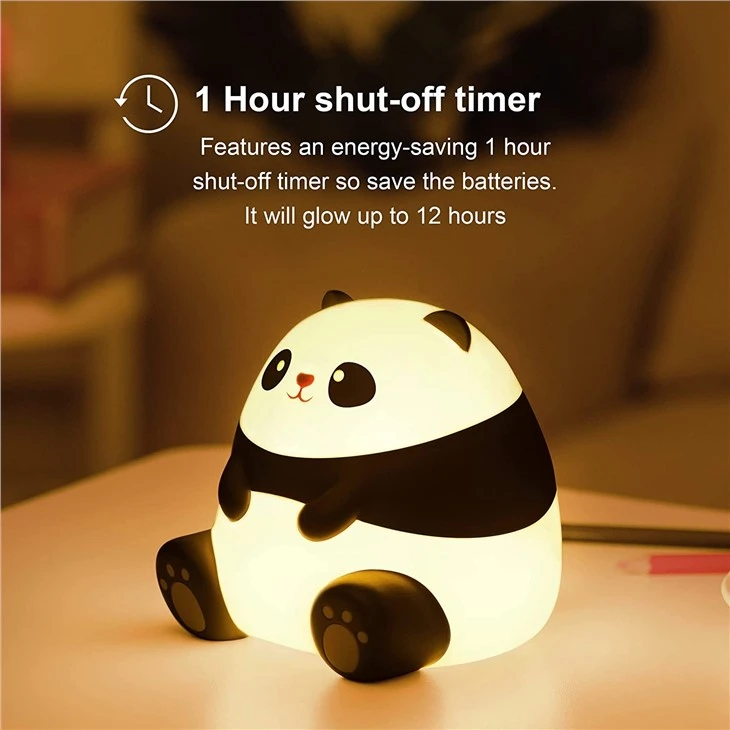
The reason why silicone LED lights do not produce UV rays is that the semiconductor materials used in LEDs are carefully selected to emit light at specific wavelengths. By controlling the composition and structure of the semiconductor, manufacturers can ensure that the LED emits light in the visible spectrum and minimizes the production of UV rays.
However, it's important to note that not all LED lights are created equal. Some low-quality or poorly designed LED lights may produce a small amount of UV rays due to impurities in the semiconductor material or inefficient conversion of electrical energy into light. Therefore, it's crucial to choose high-quality silicone LED lights from reputable suppliers to ensure that they are safe and do not produce UV rays.
Benefits of Silicone LED Lights
In addition to being UV-free, silicone LED lights offer several other benefits that make them a popular choice for various applications. Here are some of the key advantages of silicone LED lights:
- Soft and Diffused Light: Silicone LED lights produce a soft and diffused light that is gentle on the eyes. This makes them ideal for use in bedrooms, nurseries, and other areas where a relaxing and comfortable atmosphere is desired.
- Flexibility and Durability: Silicone is a flexible and durable material that can be molded into various shapes and sizes. This allows for the creation of unique and innovative lighting designs that are not possible with traditional lighting fixtures. Additionally, silicone LED lights are resistant to impact, vibration, and temperature changes, making them suitable for use in harsh environments.
- Energy Efficiency: As mentioned earlier, LED lights are highly efficient and consume less energy than traditional incandescent bulbs. This not only reduces energy costs but also helps to conserve the environment by reducing greenhouse gas emissions.
- Long Lifespan: Silicone LED lights have a long lifespan, typically lasting up to 50,000 hours or more. This means that you won't have to replace the lights as often, saving you time and money in the long run.
Applications of Silicone LED Lights
Silicone LED lights are versatile and can be used in a wide range of applications. Here are some of the common uses of silicone LED lights:
- Night Lights: Silicone LED lights are popular for use as night lights due to their soft and soothing light. They can provide a gentle glow in the dark, making it easier to navigate around the room without disturbing your sleep. Check out our Little Cat Silicone Light for a cute and functional night light option.
- Decorative Lighting: The flexibility and durability of silicone LED lights make them ideal for use in decorative lighting applications. They can be used to create unique and eye-catching lighting designs, such as wall sconces, ceiling fixtures, and accent lighting. Our Silicone Led Light offers a variety of colors and styles to suit your decorative needs.
- Task Lighting: Silicone LED lights can also be used for task lighting, such as reading lights or desk lamps. Their soft and focused light can help to reduce eye strain and improve visibility, making them a great choice for work or study areas. Take a look at our Panda Touch Silicone Lamp for a practical and stylish task lighting solution.
Conclusion
In conclusion, most silicone LED lights do not produce UV rays and are safe for human exposure. By choosing high-quality silicone LED lights from reputable suppliers, you can enjoy the benefits of soft and diffused light, flexibility, durability, energy efficiency, and long lifespan without worrying about UV damage.
If you are interested in purchasing silicone LED lights for your home, office, or other applications, please feel free to contact us. We are a leading Silicone Led Light supplier and offer a wide range of high-quality lighting products at competitive prices. Our team of experts is always available to assist you with your lighting needs and provide you with professional advice and support.
References
- "Light Emitting Diode (LED) Technology." U.S. Department of Energy.
- "Ultraviolet (UV) Radiation." World Health Organization.
- "Benefits of LED Lighting." Energy Star.


