

As a trusted supplier of high - quality silicone night lights, I often receive inquiries about various aspects of our products, including how to properly dispose of them. In this blog, I'll share some scientific and practical methods for the proper disposal of silicone night lights.

Understanding the Components of Silicone Night Lights
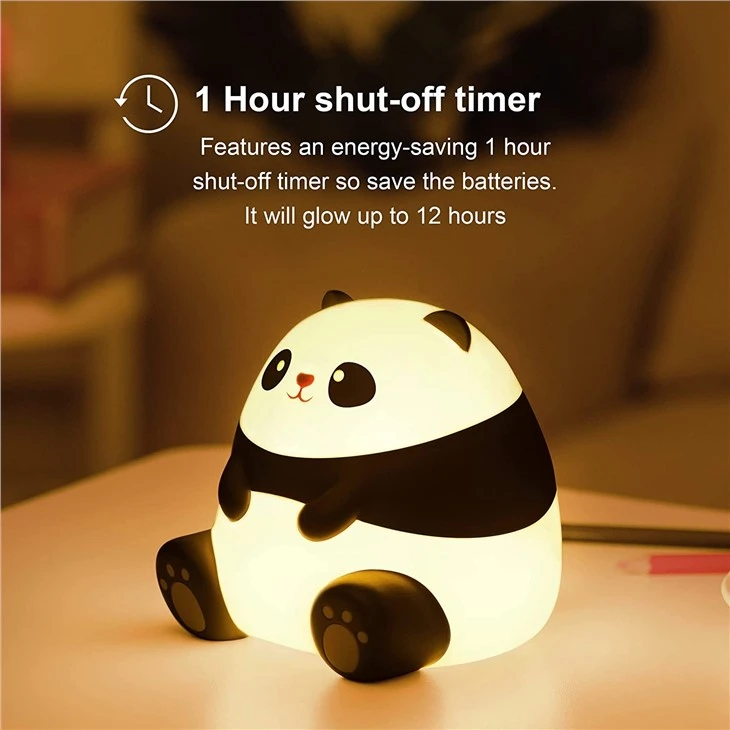
Before we discuss disposal methods, it's essential to understand what our silicone night lights are made of. Our night lights, such as the Panda Silicone Night Light, Silicone Cat Night Light, and Panda Touch Silicone Lamp, are mainly composed of silicone and electronic components.
Silicone is a synthetic polymer known for its flexibility, durability, and heat resistance. It is generally non - toxic and environmentally friendly. The electronic components usually include a small battery, LED lights, and a simple circuit board. These components are crucial for the night light's functionality but also require special attention during disposal.
Disposal of the Silicone Part
Silicone is relatively stable and can be recycled in some cases. However, the recycling process for silicone is not as widespread as that for other materials like plastic or metal.
Recycling
Some specialized recycling facilities can process silicone waste. You can check with your local recycling centers to see if they accept silicone products. If they do, you can separate the silicone part of the night light from the electronic components and bring it to the recycling center. However, it's important to note that the silicone in our night lights may have been dyed or have some coatings, which could affect the recycling process. So, it's best to inform the recycling facility about the nature of the silicone waste.
Reuse
Another option for the silicone part is reuse. You can get creative and find new uses for the silicone shell of the night light. For example, you can use it as a small container to hold jewelry, buttons, or other small items. If the silicone part is still in good condition, you can also donate it to a local craft group or school, where it can be used for art projects.
Disposal of the Electronic Components
The electronic components in our silicone night lights, especially the battery and the circuit board, need to be disposed of carefully due to their potential environmental impact.
Battery Disposal
Most of our night lights use small batteries, such as button cells or rechargeable lithium - ion batteries. These batteries contain heavy metals like mercury, lead, and cadmium, which can be harmful to the environment if not disposed of properly.
- Rechargeable Batteries: If your night light has a rechargeable battery, it's recommended to take it to a battery recycling center. Many electronics stores and local government facilities offer battery recycling services. They have the proper equipment to handle and recycle rechargeable batteries safely.
- Non - rechargeable Batteries: Non - rechargeable batteries should also be recycled. Avoid throwing them in the regular trash. Some communities have special collection events for household hazardous waste, which is a good opportunity to dispose of these batteries.
Circuit Board Disposal
The circuit board in the night light contains various metals and electronic components. It can be recycled at an e - waste recycling facility. E - waste recycling centers are equipped to extract valuable metals like gold, silver, and copper from the circuit boards. You can search for local e - waste recyclers and take the circuit board to them. Make sure to follow their instructions for drop - off or collection.
Disposal in Different Situations
When the Night Light is Broken
If your silicone night light is broken and cannot be repaired, it's time to consider disposal. First, make sure to turn off the night light and remove the battery to prevent any short - circuits or potential hazards. Then, follow the steps mentioned above to separate the silicone part and the electronic components for proper disposal.
When Upgrading to a New Night Light
As technology advances, you may want to upgrade to a new and improved silicone night light. In this case, you can follow the same disposal procedures. However, if the old night light is still in working condition, you can consider donating it to a local charity or a family in need.
The Importance of Proper Disposal
Proper disposal of silicone night lights is not only important for environmental protection but also for human health. By recycling and disposing of the components correctly, we can reduce the amount of waste in landfills, prevent the release of harmful substances into the environment, and conserve natural resources.
Conclusion
In conclusion, disposing of a silicone night light properly involves separating the silicone part and the electronic components and then choosing the appropriate recycling or disposal methods for each. Whether it's recycling the silicone at a specialized facility, reusing it for other purposes, or taking the electronic components to an e - waste recycler, every step counts towards a more sustainable future.
If you are interested in purchasing our high - quality silicone night lights, such as the Panda Silicone Night Light, Silicone Cat Night Light, or Panda Touch Silicone Lamp, please feel free to contact us for more information and to start a procurement negotiation. We are committed to providing you with the best products and services.
References
- "Silicone Recycling: A Review of Current Technologies and Future Opportunities" - Journal of Recycling and Waste Management
- "Electronic Waste Recycling: Best Practices and Environmental Impact" - Environmental Science and Technology Journal


