

Hey there! As a supplier of silicone LED lights, I've gotten tons of questions about how these nifty lights hold up in cold weather. So, I thought I'd dive into this topic and share what I've learned over the years.
First off, let's talk about the silicone part. Silicone is an amazing material. It's flexible, durable, and has some pretty great temperature resistance. Most silicone used in our LED lights can handle a wide range of temperatures. In cold weather, silicone doesn't become brittle easily like some other plastics. It retains its flexibility, which means your Cute Silicone Lamp won't crack or break just because it's cold outside. This is a huge plus, especially if you're using these lights for outdoor decorations during the winter holidays.
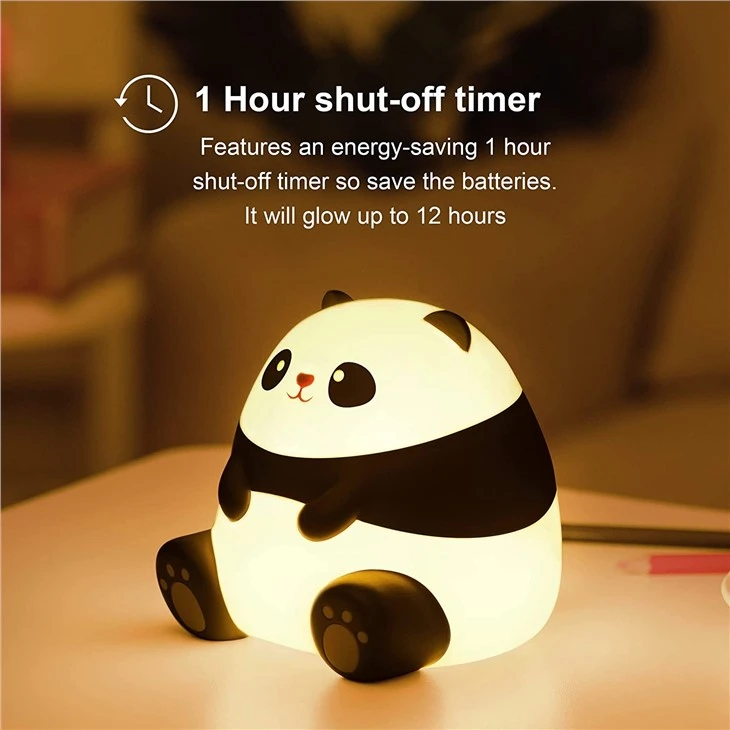
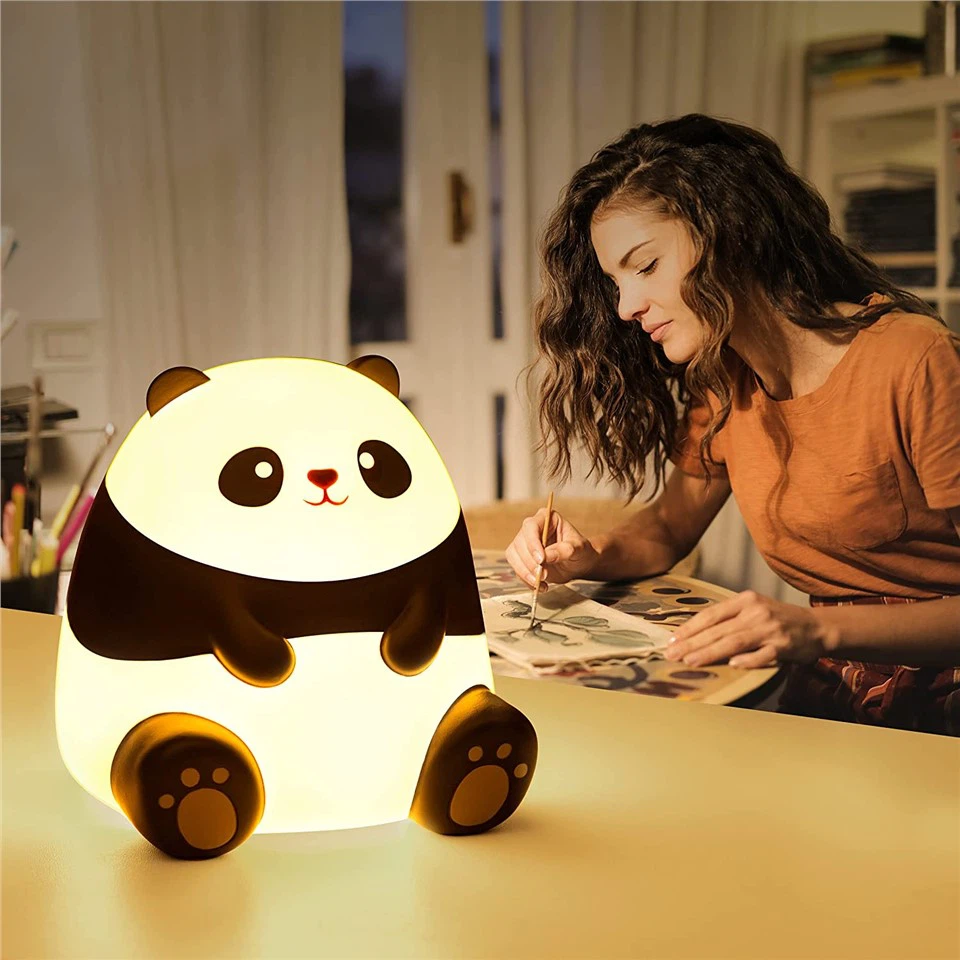
Now, onto the LED part. LEDs are known for being energy - efficient and long - lasting. But how do they perform in the cold? Well, in general, LEDs actually work better in cold temperatures compared to warm ones. When it's cold, the efficiency of an LED can increase. That means it can produce more light per unit of energy. So, your Panda Touch Silicone Lamp might shine a bit brighter on a frosty night.
However, there are a few things to keep in mind. One of the main components of an LED light is the driver. The driver is responsible for regulating the power that goes to the LED. In cold weather, the performance of the driver can be affected. Some drivers might experience a decrease in efficiency, which could lead to a slight dimming of the light. But this is usually only a problem in extremely cold temperatures, like below - 20°C.
Another factor is the battery, if your silicone LED light is battery - powered. Batteries don't like the cold. When it's cold, the chemical reactions inside the battery slow down, which reduces its capacity. So, if you're using a battery - operated Silicone Animal Lamp outside in the cold, it might not last as long as it would at room temperature. You might need to change the batteries more frequently or use a higher - quality battery that's designed for cold weather.
Let's also talk about condensation. In cold weather, there's a higher chance of condensation forming on the surface of the silicone. This can happen when warm, moist air comes into contact with the cold silicone. Condensation can make the light look foggy and might even cause some short - term electrical issues if it gets inside the light. To prevent this, make sure your silicone LED lights are properly sealed. Most of our lights are designed with good seals to minimize the risk of condensation.
But what about long - term exposure to cold weather? If your silicone LED lights are left outside in the cold for extended periods, there could be some wear and tear. The silicone might start to lose some of its elasticity over time, but this is a very slow process. As long as the lights are of good quality and properly maintained, they should last for several winters.
In terms of color temperature, LEDs can also be affected by cold weather. The color temperature of an LED might shift slightly in the cold. It might become a bit cooler, meaning it has a more bluish tint. This isn't a huge deal for most people, but if you're really particular about the color of your lighting, it's something to be aware of.
So, overall, silicone LED lights can perform quite well in cold weather. They have their advantages, like the flexibility of the silicone and the increased efficiency of the LEDs. But there are also some potential issues, like driver performance, battery life, and condensation. As a supplier, we've taken these factors into account when designing our lights. We test our products in different temperature conditions to make sure they meet high standards.
If you're thinking about using silicone LED lights for your winter decorations or outdoor lighting, don't hesitate to reach out. Whether you're a retailer looking to stock up on these amazing lights or an individual wanting to add some charm to your home during the cold months, we're here to help. We can offer you the best products at competitive prices. Just get in touch, and we can start a great business relationship. Let's make your cold - weather lighting needs a reality!
References:
- General knowledge about silicone materials and LED technology from industry experience.
- Studies on the effects of temperature on battery performance and LED drivers.


