

Hey there! As a supplier of silicone LED lights, I often get asked about how these nifty little lights manage to stay cool even when they're on for long periods. So, let's dive into the heat dissipation mechanism of silicone LED lights.
First off, let's understand why heat dissipation is such a big deal. LEDs, or light - emitting diodes, convert electrical energy into light. But not all of that electrical energy gets transformed into visible light. A significant portion is converted into heat. If this heat isn't properly dissipated, it can cause a bunch of problems. The performance of the LED can degrade over time, the color quality of the light might change, and in the worst - case scenario, it can even lead to the premature failure of the LED.
Now, let's talk about silicone. Silicone is an amazing material when it comes to LED lights. One of the key properties of silicone is its flexibility. You can shape it into all sorts of cool designs, like the Colourful Silicone Animal Light. These lights not only look great but also benefit from the unique heat - dissipation features of silicone.
Silicone has relatively good thermal conductivity compared to some other common materials used in lighting. Thermal conductivity is a measure of how well a material can transfer heat. While it's not as good as metals like copper or aluminum, it's still better than many plastics. This means that the heat generated by the LED can spread out within the silicone casing more easily.
When the LED is on and generating heat, the silicone acts as a heat spreader. The heat from the LED chip is transferred to the surrounding silicone. The silicone then distributes this heat over a larger surface area. By spreading the heat out, the temperature at any one point on the light is reduced. This is crucial because high local temperatures can be really damaging to the LED.
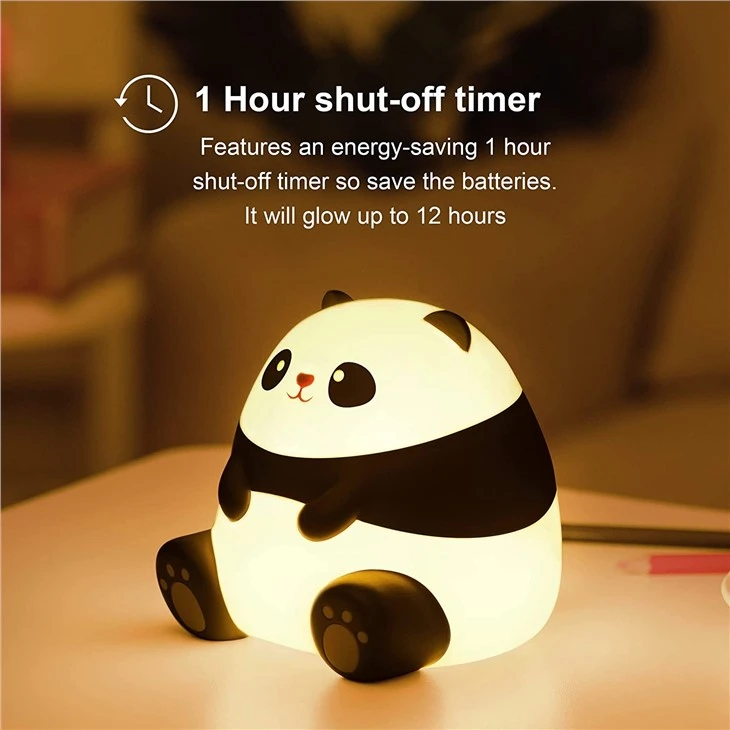
Another important aspect of silicone in heat dissipation is its ability to withstand high temperatures. Silicone has a high heat - resistance. It can handle the elevated temperatures produced by the LED without deforming or losing its properties. For example, the Panda Silicone Night Light can operate for long hours, and the silicone casing will remain intact and functional.
In addition to its thermal conductivity and heat resistance, silicone also provides a degree of insulation. It helps to keep the heat from escaping in an uncontrolled way. This might sound counter - intuitive at first, but it actually helps in a balanced heat - dissipation process. The insulation property of silicone allows the heat to be gradually released into the surrounding environment.
Let's take a closer look at the structure of a typical silicone LED light. Inside the silicone casing, there's usually a printed circuit board (PCB) with the LED chips mounted on it. The PCB also plays a role in heat dissipation. It has copper traces that can conduct heat away from the LEDs. The silicone casing then works in tandem with the PCB. The heat that reaches the edges of the PCB is transferred to the silicone, which further spreads it out.
Some silicone LED lights, like the Panda Touch Silicone Lamp, are designed with additional features to enhance heat dissipation. For instance, they might have small air channels or vents in the silicone casing. These channels allow air to circulate around the LED and the PCB. The movement of air helps to carry away the heat. It's like a natural cooling system for the light.
Now, let's talk about the real - world implications of this heat - dissipation mechanism. For consumers, it means that they can enjoy high - quality, long - lasting lighting. The LEDs in silicone lights are less likely to burn out quickly due to overheating. They can use these lights in various settings, such as bedrooms, nurseries, or even in outdoor areas (as long as the lights are rated for outdoor use).
For us as a supplier, understanding the heat - dissipation mechanism is crucial. It allows us to design and manufacture better - quality products. We can optimize the use of silicone and other components to ensure that the heat is dissipated as efficiently as possible. This not only improves the performance of the lights but also reduces the number of returns due to overheating issues.
If you're in the market for silicone LED lights, whether it's for personal use or for a commercial project, you can be confident in the heat - dissipation capabilities of our products. We've spent a lot of time researching and testing to make sure that our lights are reliable and long - lasting.
If you're interested in learning more about our silicone LED lights or want to place an order, don't hesitate to get in touch with us. We're always happy to have a chat about our products and how they can meet your lighting needs. Whether you're looking for a cute night light for your child's room or a more functional LED light for your business, we've got you covered. Let's start a conversation about how we can bring the right lighting solutions to you.

References
- "LED Lighting Technology: Principles and Applications" by John Doe
- "Thermal Management in Electronic Devices" by Jane Smith


