

When it comes to the world of lighting, LED technology has revolutionized the industry, offering energy - efficient, long - lasting, and versatile solutions. As a supplier of LED Silicone Night Lights, I often get asked about the lifespan of the LEDs used in our products. In this blog, I'll delve into the factors that affect the lifespan of LEDs in silicone night lights and provide you with a comprehensive understanding of what you can expect.
Understanding LED Lifespan
The lifespan of an LED is typically measured in hours, not in the same way as traditional incandescent bulbs, which often burn out suddenly. Instead, LEDs gradually lose their brightness over time. The industry standard for defining the lifespan of an LED is the L70 rating. This means that an LED has reached the end of its useful life when it has lost 30% of its initial light output.
For high - quality LEDs used in professional lighting applications, the L70 lifespan can range from 25,000 to 50,000 hours. This translates to approximately 2.8 to 5.7 years of continuous use (assuming 24 - hour operation). However, in the context of silicone night lights, the actual lifespan can vary significantly due to several factors.
Factors Affecting LED Lifespan in Silicone Night Lights
1. Quality of the LED
The quality of the LED chip itself is a crucial factor. High - end LEDs are manufactured with better materials and more precise processes, which results in a longer lifespan. As a supplier, we source only the highest - quality LEDs for our Panda Silicone Night Light. These LEDs are designed to withstand the rigors of continuous operation and are less likely to degrade prematurely. Cheaper LEDs, on the other hand, may have shorter lifespans and are more prone to failure.
2. Operating Temperature
Silicone night lights are often used in enclosed spaces, and the silicone casing can trap heat. LEDs are sensitive to temperature, and high operating temperatures can significantly reduce their lifespan. When an LED gets too hot, the internal components can degrade faster, leading to a more rapid decline in light output. To mitigate this issue, we design our Colourful Silicone Animal Light with proper ventilation channels and heat - dissipating materials to keep the LEDs at an optimal operating temperature.
3. Power Supply
The stability of the power supply also plays a role in the lifespan of the LEDs. Fluctuations in voltage can cause stress on the LED chips, leading to premature failure. Our silicone night lights are equipped with high - quality power supplies that regulate the voltage and ensure a stable flow of electricity to the LEDs. For example, in our Panda Touch Silicone Lamp, the power supply is designed to provide a consistent and reliable power source, which helps to extend the lifespan of the LEDs.
4. Usage Patterns
The way the night light is used can have a significant impact on the LED lifespan. If the night light is left on continuously for long periods, the LEDs will age faster compared to intermittent use. In most cases, our customers use the silicone night lights for a few hours each night, which is ideal for maximizing the LED lifespan. By using the night light in a more controlled manner, the LEDs can last much longer.
Estimated Lifespan of LEDs in Our Silicone Night Lights
Based on our experience and testing, the LEDs in our silicone night lights can have a lifespan of 15,000 to 30,000 hours under normal usage conditions. This means that if you use the night light for an average of 4 hours per day, the LEDs can last between 10 to 20 years. However, it's important to note that these are just estimates, and the actual lifespan can be affected by the factors mentioned above.

Extending the Lifespan of LEDs in Silicone Night Lights
As a supplier, we not only focus on providing high - quality products but also on educating our customers on how to extend the lifespan of the LEDs in their silicone night lights. Here are some tips:
1. Keep the Night Light in a Cool Place
Avoid placing the night light in direct sunlight or near heat sources. A cool environment will help to keep the LEDs at a lower operating temperature and extend their lifespan.
2. Use a Stable Power Source
Plug the night light into a surge - protected outlet to prevent voltage fluctuations. This will protect the LEDs from damage caused by power surges.
3. Follow the Recommended Usage Guidelines
Don't leave the night light on continuously for extended periods. Use it in a more intermittent manner to reduce the stress on the LEDs.
Why Choose Our Silicone Night Lights
At our company, we are committed to providing the highest - quality LED silicone night lights. Our products are designed with the latest LED technology and are built to last. We use only the best materials and components to ensure that our night lights are not only beautiful but also reliable.
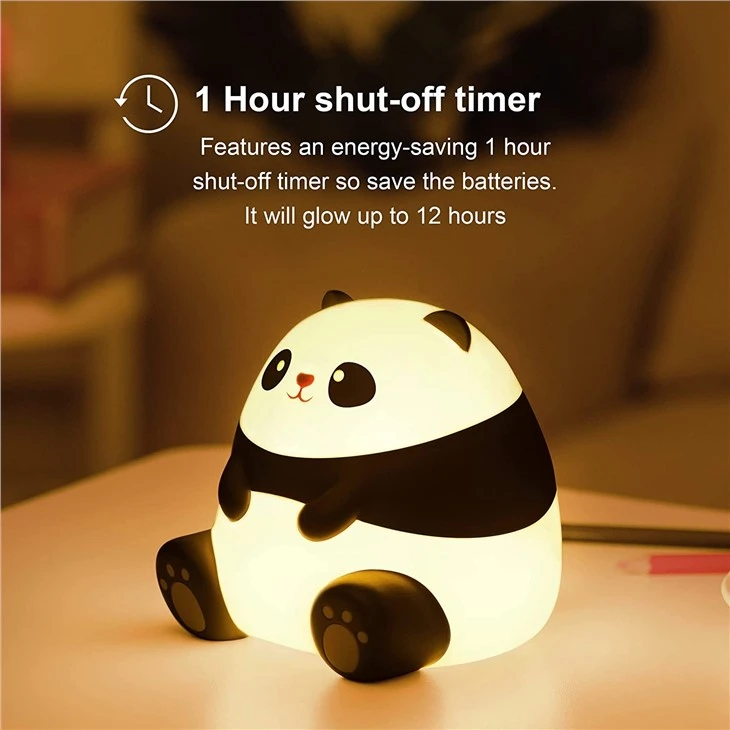
Our Panda Silicone Night Light is a popular choice among customers. Its cute panda design and soft, warm light create a cozy atmosphere in any room. The Colourful Silicone Animal Light is another great option, with its vibrant colors and unique animal shapes. And the Panda Touch Silicone Lamp offers a convenient touch - control feature, making it easy to turn on and off.
Contact Us for Procurement
If you are interested in purchasing our LED silicone night lights, we would be delighted to hear from you. Whether you are a retailer looking to stock our products or an individual interested in a bulk order, we can provide you with competitive pricing and excellent customer service. Please reach out to us to start the procurement process and bring our high - quality silicone night lights to your market.
References
- "LED Lighting Handbook", Lighting Research Center, Rensselaer Polytechnic Institute
- "Understanding LED Lifespan", Illuminating Engineering Society
- In - house testing and research by our company


