

Hey there! I'm a supplier of silicone night lights, and today I wanna chat about the materials used to make these cool little lights. Silicone night lights have become super popular lately, and it's not hard to see why. They're soft, flexible, and come in all sorts of fun shapes and colors. But what exactly goes into making them? Let's dive in!
Silicone: The Star Material
The main ingredient in silicone night lights is, of course, silicone. Silicone is a synthetic polymer made up of silicon, oxygen, carbon, and hydrogen. It's known for its flexibility, durability, and heat resistance, which makes it perfect for use in night lights.
There are two main types of silicone used in night light production: liquid silicone rubber (LSR) and high-consistency rubber (HCR). LSR is a liquid form of silicone that's easy to mold and cure. It's often used for making intricate shapes and designs, like the Panda Silicone Night Light. HCR, on the other hand, is a more solid form of silicone that's thicker and more viscous. It's typically used for making larger, more simple shapes.
One of the great things about silicone is that it's non-toxic and hypoallergenic. This means it's safe to use around kids and pets, making it a popular choice for night lights. It's also resistant to water and moisture, which helps to prevent mold and mildew growth.
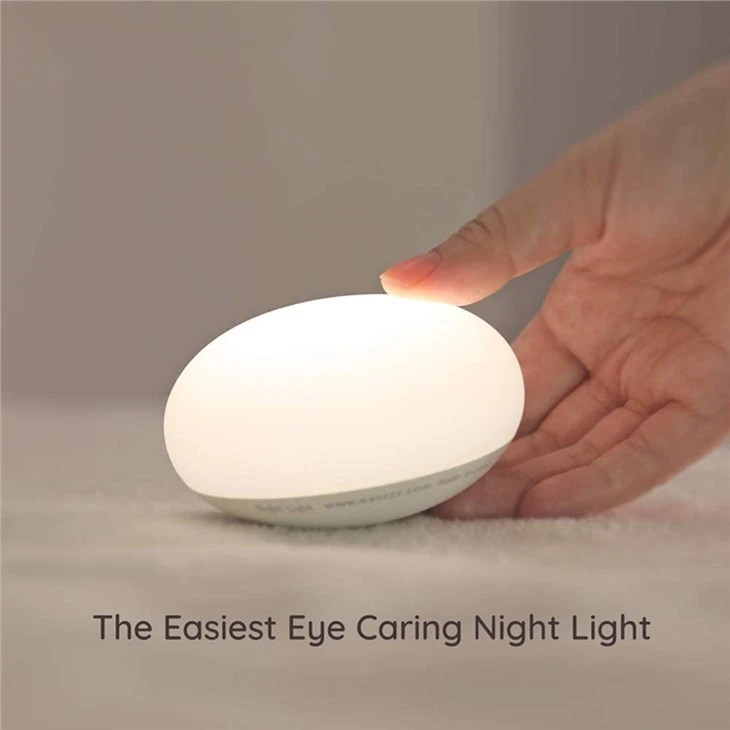

LED Lights: The Illuminating Element
Another important component of silicone night lights is the LED lights. LED stands for light-emitting diode, and it's a type of semiconductor that emits light when an electric current passes through it. LED lights are energy-efficient, long-lasting, and produce very little heat, making them ideal for use in night lights.
There are different types of LED lights that can be used in silicone night lights, including single-color LEDs and RGB LEDs. Single-color LEDs emit a single color of light, such as white, blue, or pink. RGB LEDs, on the other hand, can emit a wide range of colors by combining red, green, and blue light. This allows for more customizable lighting effects, like color-changing or flashing lights.
The LED lights are usually embedded inside the silicone material during the manufacturing process. This helps to protect the lights from damage and gives the night light a more uniform and diffused glow.
Other Materials
In addition to silicone and LED lights, there are a few other materials that may be used in the production of silicone night lights. These include:
- Plastic Components: Some silicone night lights may have plastic components, such as a base or a switch. Plastic is a lightweight and inexpensive material that can be easily molded into different shapes. It's also durable and resistant to impact, which helps to protect the night light from damage.
- Batteries or Power Cords: Silicone night lights can be powered by batteries or a power cord. Battery-powered night lights are more portable and can be placed anywhere in the room. They usually use AA or AAA batteries, which are easy to replace. Power corded night lights, on the other hand, need to be plugged into an electrical outlet. They're a good option if you want a more consistent and reliable source of power.
- Adhesives and Sealants: Adhesives and sealants are used to bond the different components of the night light together. They help to ensure that the night light is secure and waterproof.
Manufacturing Process
Now that we know what materials are used to make silicone night lights, let's take a look at the manufacturing process. The process typically involves the following steps:
- Mold Creation: The first step is to create a mold for the night light. This is usually done using a 3D printer or a CNC machine. The mold is designed to match the shape and size of the desired night light.
- Silicone Mixing: Once the mold is ready, the silicone material is mixed with a curing agent. The curing agent helps to harden the silicone and give it its final shape.
- Pouring and Curing: The mixed silicone is then poured into the mold and allowed to cure. The curing time can vary depending on the type of silicone and the size of the night light.
- LED Installation: After the silicone has cured, the LED lights are installed inside the night light. This is usually done by drilling small holes in the silicone and inserting the lights.
- Assembly: The final step is to assemble the different components of the night light, such as the base, the switch, and the batteries or power cord. The night light is then tested to ensure that it's working properly.
Why Choose Our Silicone Night Lights
As a supplier of silicone night lights, we take pride in offering high-quality products that are made from the best materials. Here are some reasons why you should choose our silicone night lights:
- Unique Designs: We offer a wide range of unique and creative designs, including the Panda Silicone Night Light and other fun shapes. Our night lights are sure to add a touch of charm and personality to any room.
- High-Quality Materials: We use only the highest quality silicone and LED lights in our night lights. This ensures that our products are durable, long-lasting, and safe to use.
- Customization Options: We offer customization options for our night lights, including custom shapes, colors, and lighting effects. This allows you to create a unique and personalized night light that meets your specific needs.
- Competitive Prices: We offer competitive prices on our silicone night lights without compromising on quality. We believe that everyone should be able to afford a high-quality night light.
Contact Us for Purchasing
If you're interested in purchasing our silicone night lights, whether it's the cute Panda Silicone Night Light, the versatile Silicone Led Light, or the amazing Led Silicone Night Light, or you have any questions about our products, feel free to reach out to us. We're always happy to help and discuss your specific requirements. Let's start a conversation about how we can bring these lovely night lights into your customers' homes!
References
- "Silicone: Properties and Applications." ScienceDirect.
- "LED Lighting Basics." Energy.gov.
- "Plastic Materials in Consumer Products." PlasticsEurope.


